Growing More Than Crops: How Gardening Is Giving Women a Voice
From earning an income to leading a community garden, women are finding their voices and taking their place in decision-making.
By Lynnia Ngwenya
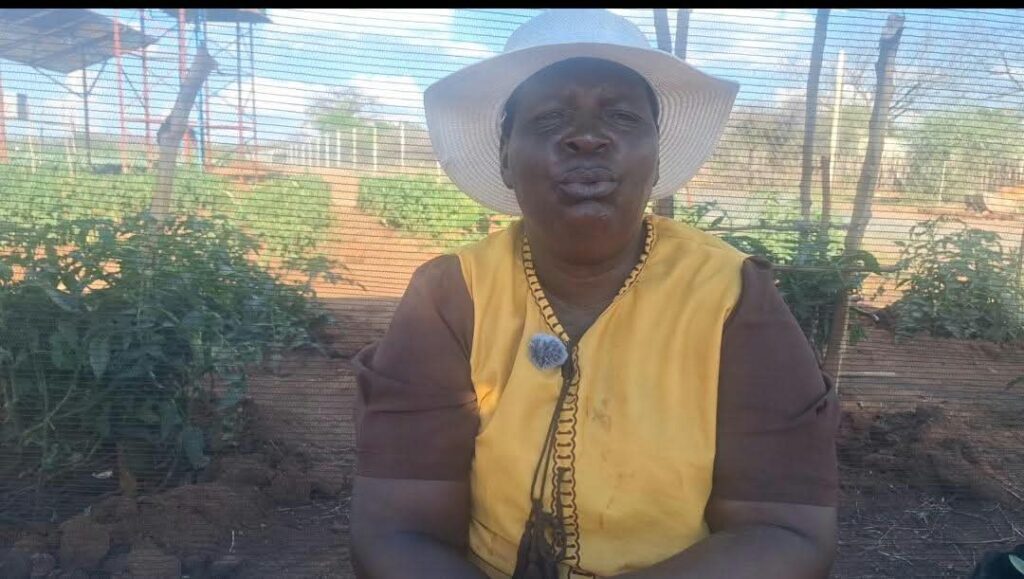
For Kukhanya Dube, popularly known as NaTracy, from Paye Garden in Ward 14, change is not only visible in the green vegetables growing around her. It can also be seen in the leadership position she holds, the decisions she makes and the confidence with which she speaks.
“There was a time when many women in the community depended largely on their husbands and other family members for money,” NaTracy says “Their contribution only mattered to the household, but they did not always have an income of their own and their voice did not matter.”
Today, NaTracy is the Chairperson of Paye Garden.
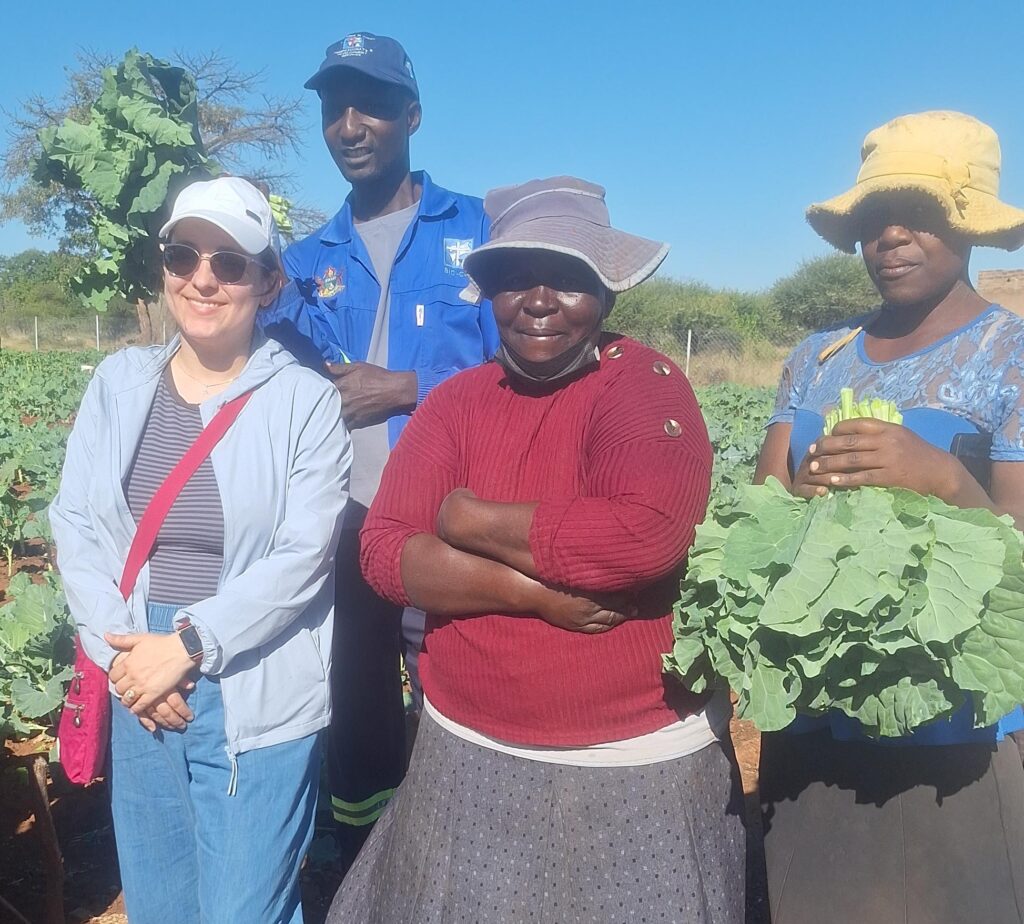
She leads other garden members, participates in decisions about their work and helps guide the direction of the garden.
“Women are not only providing labour in the garden. They are participating in discussions, contributing to decisions and taking up leadership positions.”
For her, occupying this position represents something bigger than having a title. It shows how women are increasingly taking leadership roles and becoming active voices in matters that affect their livelihoods and families.
The Change Goes Beyond Paye/Thandanani
NaTracy’s story is not happening in isolation.
A few communities away, at Ntalale Garden in Ward 11, Loveness Sibanda serves as the garden’s Vice Chairperson. Her leadership adds another voice to a growing story of women taking up positions where they can participate in decisions and influence the direction of their gardens.
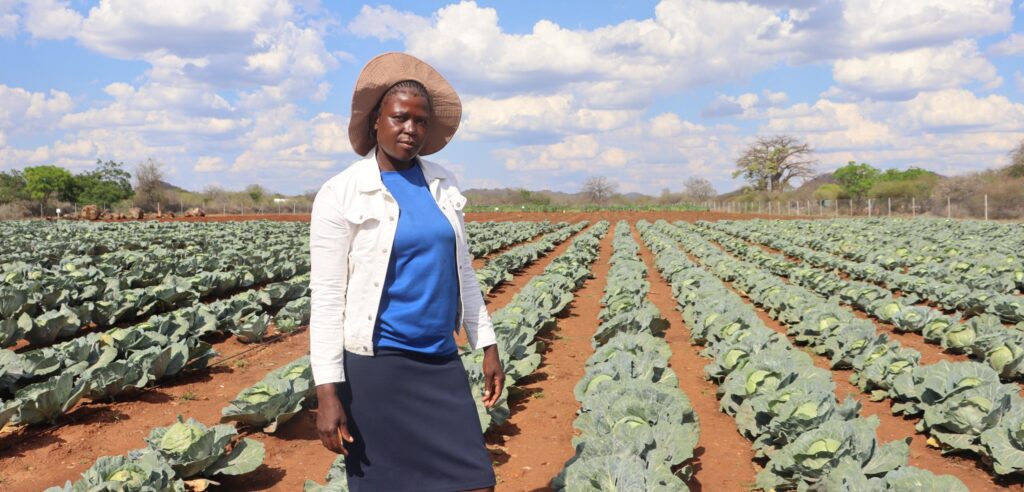
For her, seeing women taking leadership positions is an important change.
“As women, we are no longer only coming to the garden to work. We are also part of the leadership and the decisions that are made here,” she says.
Having women in chairperson positions means that women have representatives who can bring their experiences, needs and concerns into important discussions and decisions.
“We work together with the men, they respect our opinions. We share ideas and make decisions together,” she adds “As women, our voices are now being heard even at community level.”
The same picture is visible at Baetapele Garden in Ward 16, where women make up the majority of the membership and also occupy most of the leadership positions.
While Simon Nyathi serves as Chairperson, the Vice Chairperson, Secretary, Treasurer and the rest of the committee members are women.
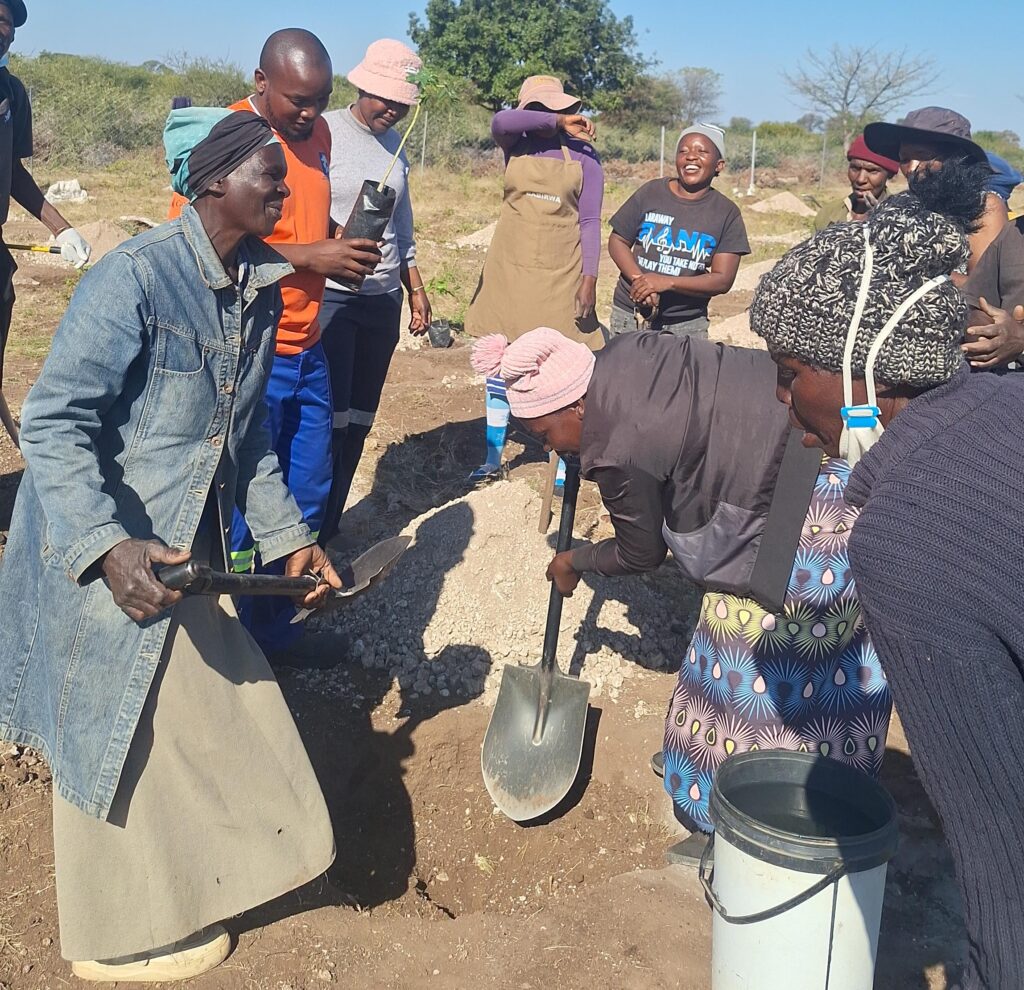
“This means that the women who spend their time planting, watering, weeding and harvesting are also sitting at the table when important decisions are made,” says Sibongile Nyathi.
They discuss what to grow, how to manage their produce, where to find markets and how the income from their work can benefit both the garden and their households.
“As we speak, women are the ones who have set the prices for the potatoes produced in the garden.” she says
At Masiyephambili Garden in Ward 6, , the change takes another form.
The chairperson, Siphumuzile discovers that leadership is not only about holding a position, but it is also about having the confidence to take responsibility and be trusted with the future of something important.
“Before, some of us would hesitate to take responsibility because we thought certain roles were for men,” she says “Today, we are learning that we are equally capable. When something needs to be done, we step forward and do it.”
For her, this growing confidence is beginning to reach beyond the garden.
“A woman who learns to take responsibility for production, money or other garden activities also carries that confidence back home and into the wider community,” Siphumuzile adds “The garden has shown us what we are capable of. We are not afraid to take responsibility anymore.”
Through growing and selling produce from Paye Garden, NaTracy began earning money of her own.
“When we sold our first harvest which was the sugar beans, I was able to use some of the money to send my child to school in Bulawayo,” she says. “As a mother, it makes me happy to know that the work I am doing here is helping my child prepare for his future.”
For NaTracy, the gardens have helped open a door for the next generation.
“When we sold our first harvest, which was sugar beans, I was able to use some of the money to send my child to an earthmoving equipment school in Bulawayo,” she says. “As a mother and a leader, it makes me happy to know that the work I am doing here is helping my child prepare for his future.”
“As I speak my son is employed in Harare as an excavator controller.”
NaTracy has used some of the money earned from the garden to participate in a savings club.
Women Are No Longer Just Participants
From Thandanani/Paye in Ward 14 to Ntalale in Ward 11, Baetapele in Ward 16 and Masiyephambili in Ward 6, the gardens are telling a bigger story.
It is a story of women who are growing food, but also growing in confidence.
These may look like small changes, but for a woman who can now bring money home, pay for her child’s needs, save something for tomorrow and confidently lead a meeting, they are not small changes at all.
Gardening has given these women more than vegetables to take home or produce to sell. It has given them an opportunity to earn, to lead and to be heard.
Their hands may still be in the soil, but their voices are reaching much further.
And as the gardens continue to grow, so do the women behind them.