More Than Grain: Value Addition transforms women’s lives in Gwanda
Discover how value addition processing is helping Ward 6 farmers turn small grains into nutritious products that improve incomes and livelihoods.
By Lynnia Ngwenya
Relief and gratitude
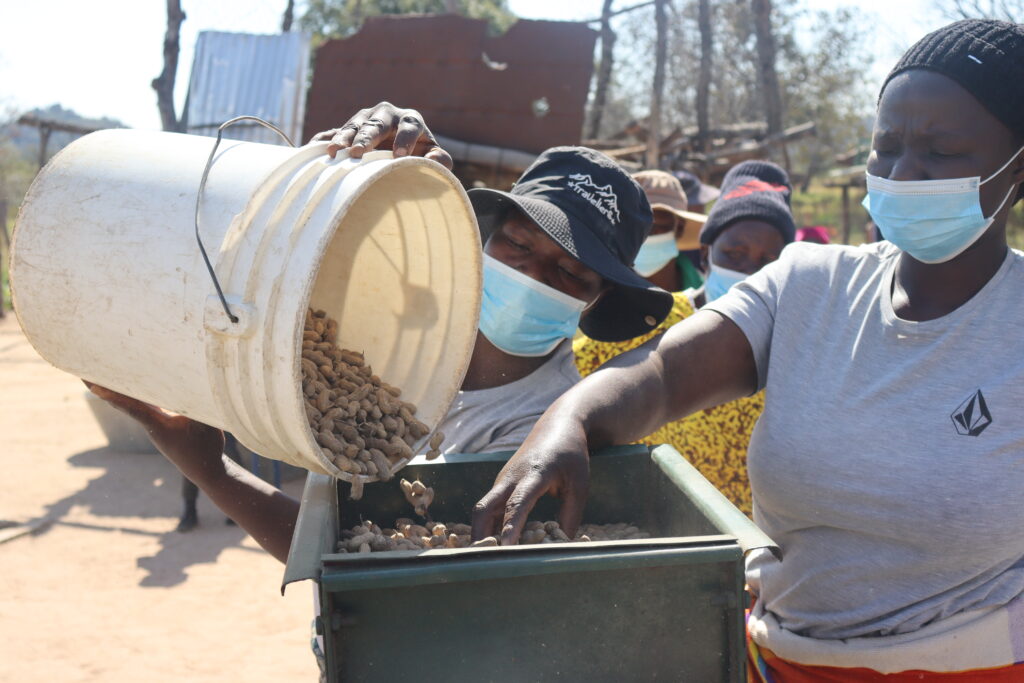
Women share laughter as they feed buckets of harvested grain into the labour saving machines, turning their harvest into value added products.
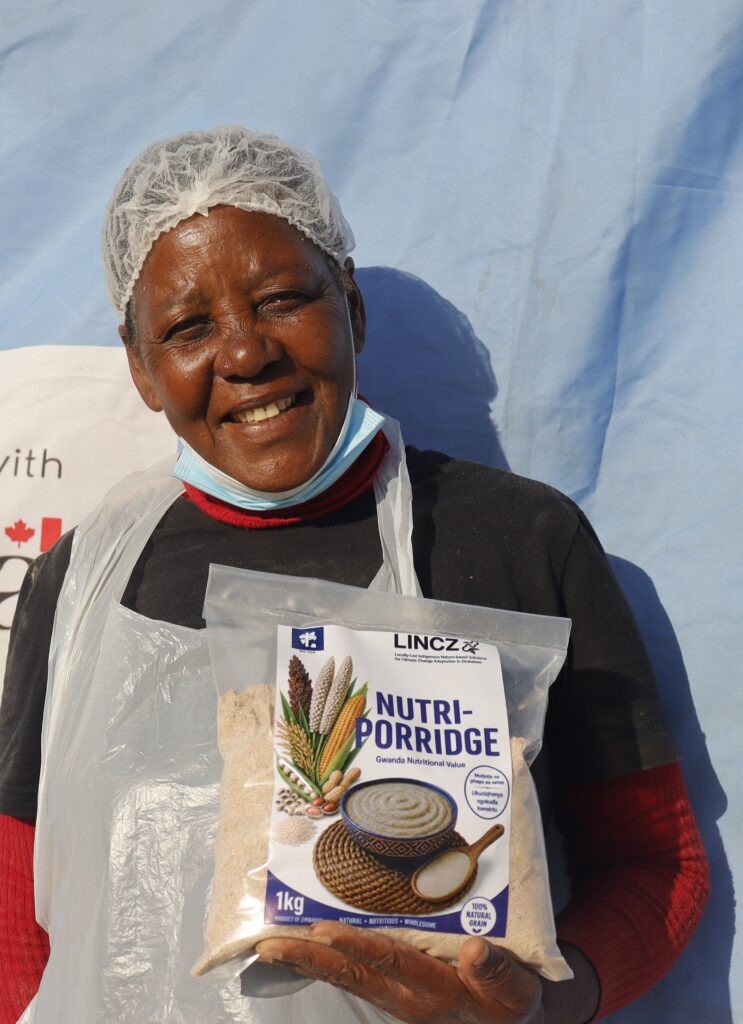
For Medelinah Nyathi, the sound of machines means more than grain processing, it is the sound of change and relief. She is one of the farmers who produce Nutri-Porridge.
Together with other women from the Musawenkosi Processing Group, she processes locally grown sorghum, groundnuts, cowpeas and rice into a nutritious porridge that is packaged and prepared for the market.
That is not all, the group also grinds sorghum into sorghum meal.
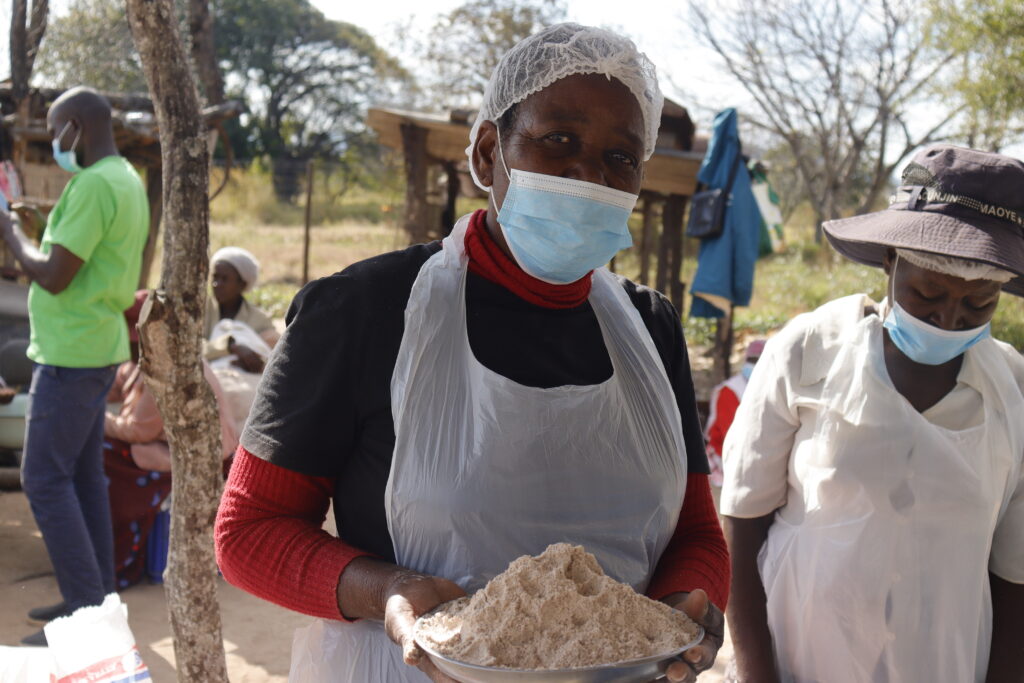
As she carefully measures ingredients and feeds them into the milling machine, Medelinah reflects on how far they have come.
Years back, most of their harvest was sold as raw grain, bringing them little to no income. Today, every stage of processing adds value to their crops and creates products that are ready for the market.
“We are no longer just harvesting grain,” says Medelinah. “We are producing something that people can buy, use and benefit from. This has helped us see the true value of what we grow.”
Around her, the processing centre is full of activity. Some women shell groundnuts for peanut butter production while others grind sorghum and package the meal.
She smiles as she seals another pack of Nutri-Porridge that costs R40 per kg.
“I feel proud when I see our products packaged and ready for the market. It gives us confidence to see our labour in farming not going in vain. As packets are sold, they represent our identity and grow the dignity of women in farming.”
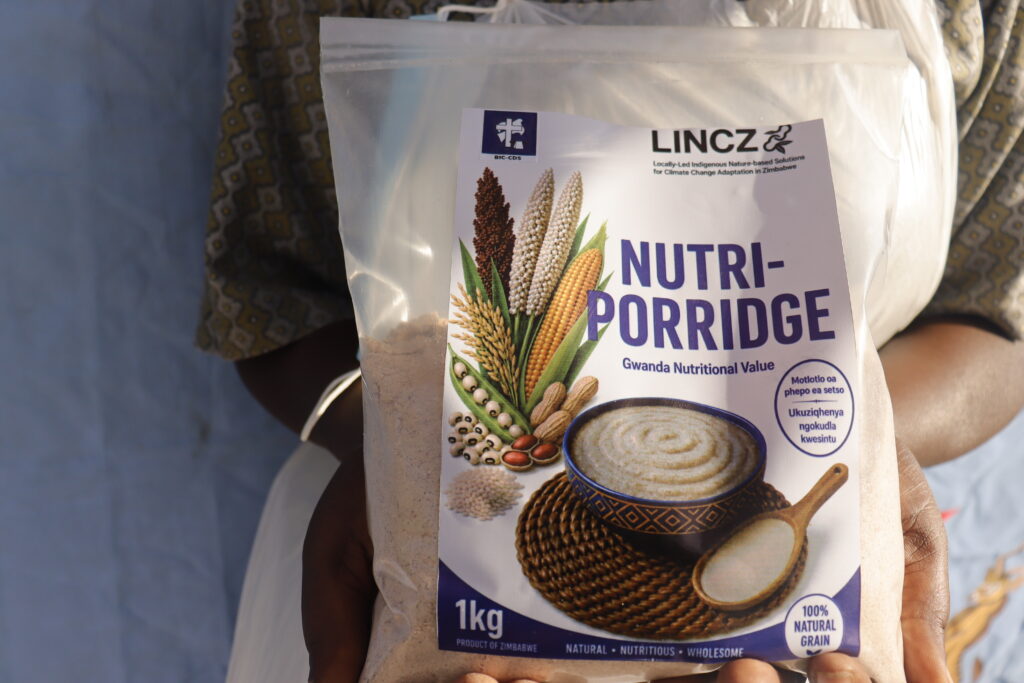
Medelinah says the process has also changed the way farmers perceive small grains.
“We used to think that small grains were mainly for our homes’ consumption. Today, we see them as crops that improve our income and provide healthy food for different communities.”
Before the introduction of machines
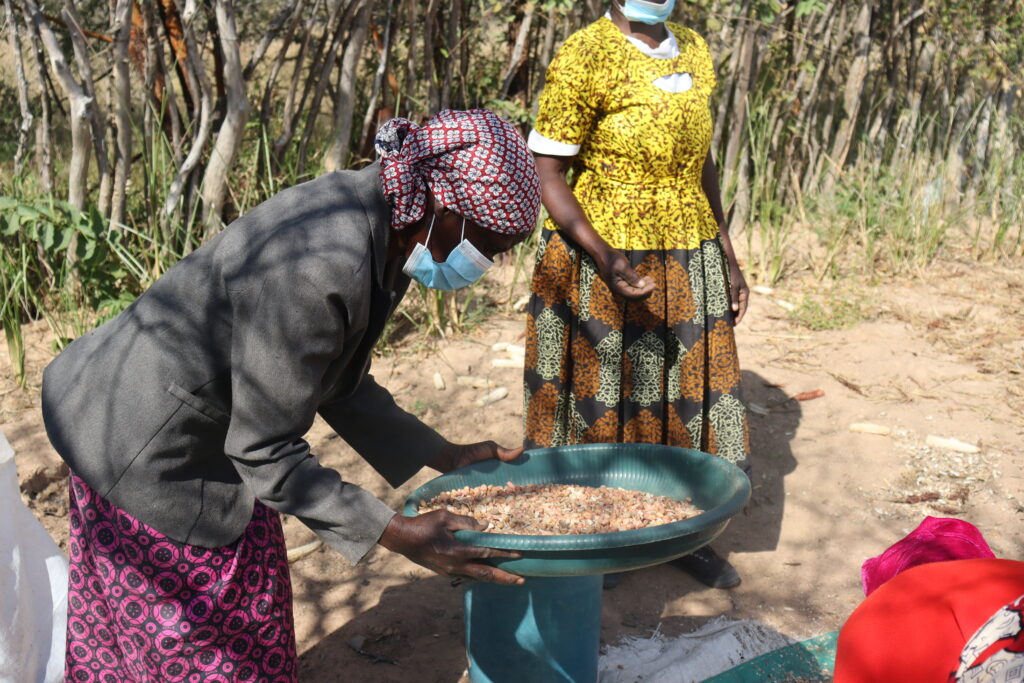
Before the processing centre was established, turning small grains into food products was slow, tiring and time-consuming. Women spent long hours and even weeks shelling groundnuts by hand, pounding grain with a mortar and pestle, and using traditional grinding methods that demanded a lot of physical effort.
Not that the old methods are despised, they served the community well for generations and remain an important part of the Indigenous Knowledge Systems (IKS).
However, as demand for processed products grew, the work became slow, physically demanding and time-consuming
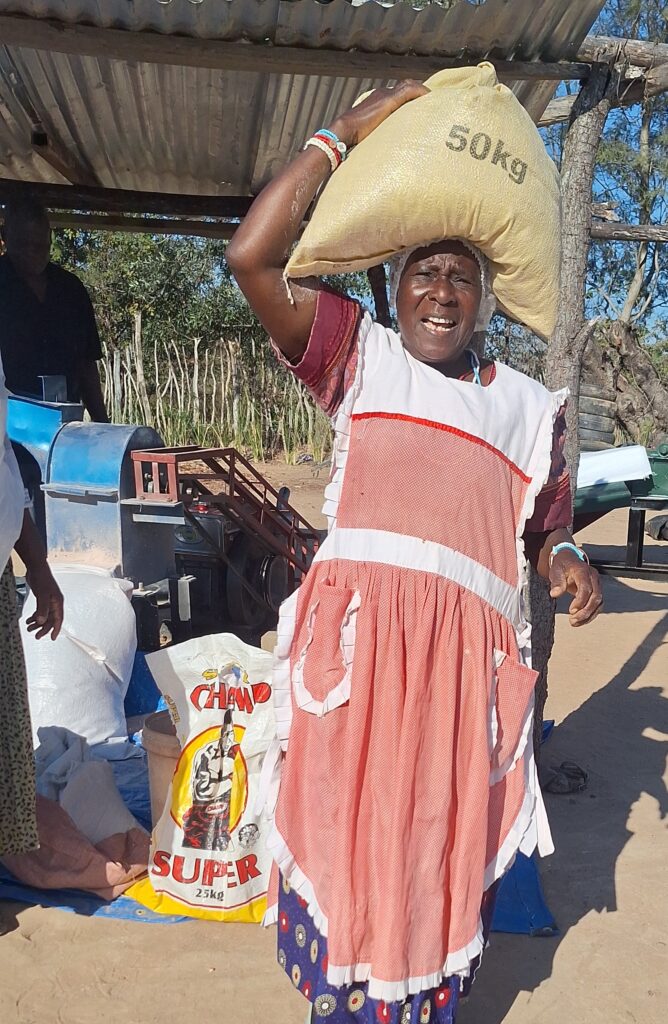
For Medelinah and many other elderly women in the ward, as well as those living with health challenges, the traditional methods of processing small grains gradually became difficult to keep up with.
“As I grew older, the work became too heavy for me, which forced me to consume almost every harvest,” she says. “
Concurring with Medelinah’s experience, Reginah Sibanda, another farmer, says many women struggled to keep up with the demanding work.
“Some of us are no longer as strong as we used to be, while others are having health challenges that make heavy work difficult. We wanted to continue adding value to our crops, but we simply could not keep up with the physical labour.”
The intervention
The farmers’ unwavering dedication reached the attention of Brethren In Christ Compassionate Development Services (BIC-CDS), which, under its Locally-led Indigenous Nature-based Solutions for Climate Change Adaptation in Zimbabwe (LINCZ) Project, supported them with labour-saving machines, packaging materials and marketing.
“LINCZ aims at increasing the skills and capacity of communities, especially women, in implementing sustainable value chains. Farmers are equipped with growing and marketing skills so that they have improved incomes,” says Ndabenhle Ncube, the Programmes Manager.
Processed small grains ready for the market
Across the processing centre, the spirit of value addition is not confined to one group. While Musawenkosi Processing Group is producing Nutri-Porridge, Asithuthukeni Processing Group sorts, shells and roasts the locally grown groundnuts before feeding them into the processing machine. Within minutes, the roasted groundnuts are transformed into smooth peanut butter, ready for packaging and sale.
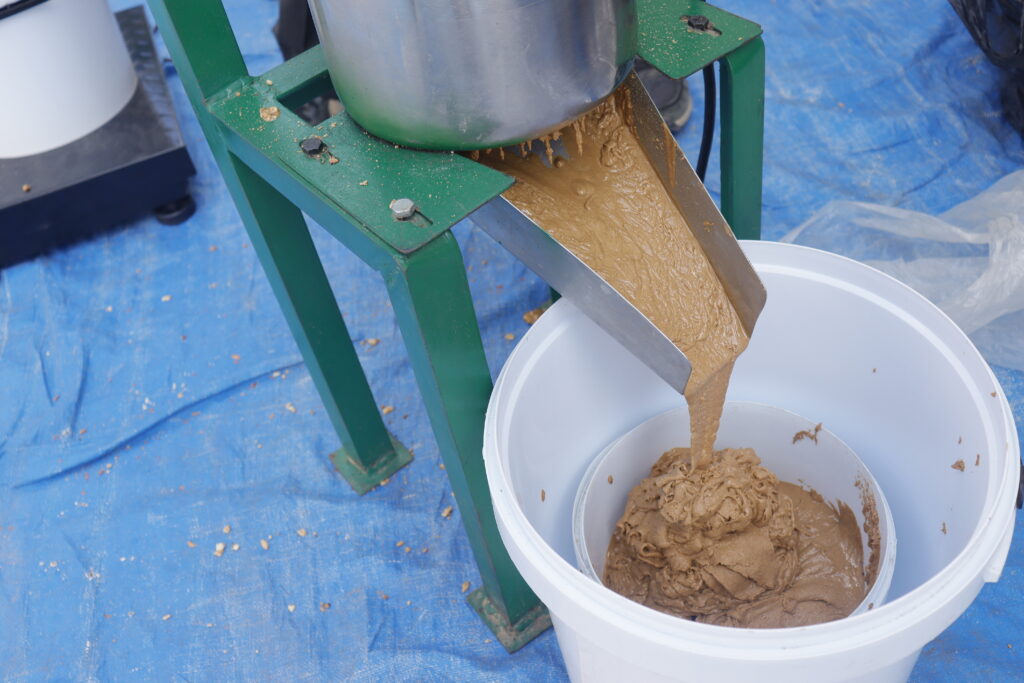
“We used to see bottles of peanut butter on the shelves in big shops and thought making products like that was beyond our reach,” says Sipho Sibanda, one of the group members. “Seeing the group’s name on the label gives us pride and hope.”
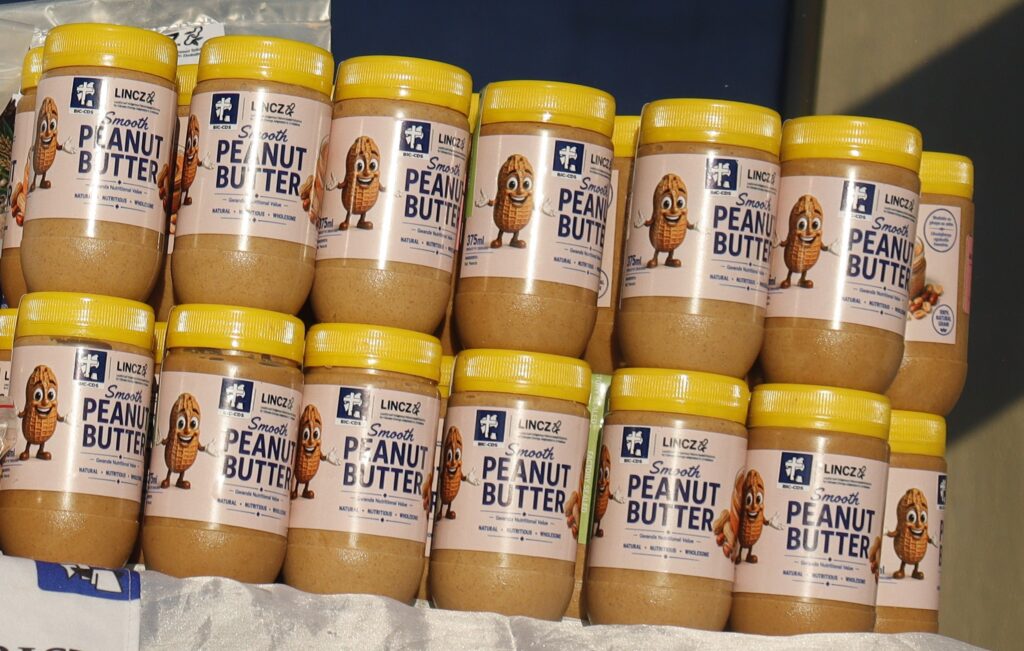
Alongside peanut butter, Asithuthukeni Group is also producing roasted groundnut snacks and sorghum meal. The roasted groundnuts are packaged into small packs and sold at R10 and R15 each.
“We discovered that not everyone wants peanut butter,” says Sipho. “Some people prefer roasted groundnuts as a snack. By packing them into small packs, we are reaching more customers and adding value to our harvest.”
As the machines continue to hum and neatly packaged products line the shelves, farmers are not only adding value to small grains, but are also adding value to their skills, transforming their lives and their future.
For women like Medelinah and the rest of the Musawenkosi and Asithuthukeni Processing Groups members, every packet of Nutri-Porridge, every bottle of peanut butter, every pack of sorghum meal and roasted nuts tells a story of hard work, resilience and represents a community that turns harvest into long-lasting opportunity.