Women lead restoration of hope in Kgobotwane
Laughter and cheerful conversations fill the air around Kgobotwane dam, women proudly reflect on a journey of transformation.
By Lynnia Ngwenya
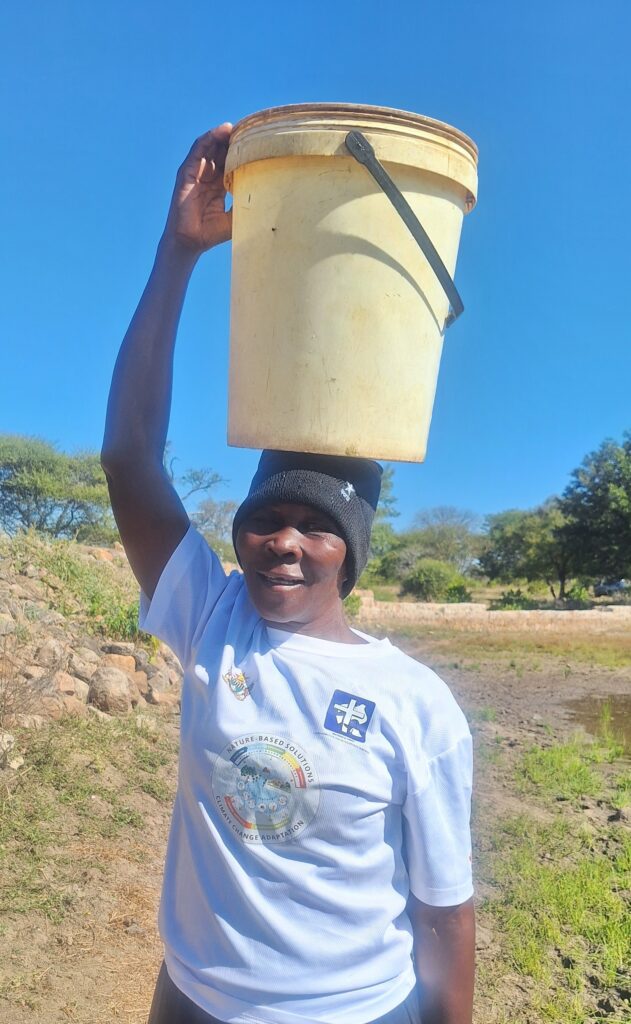
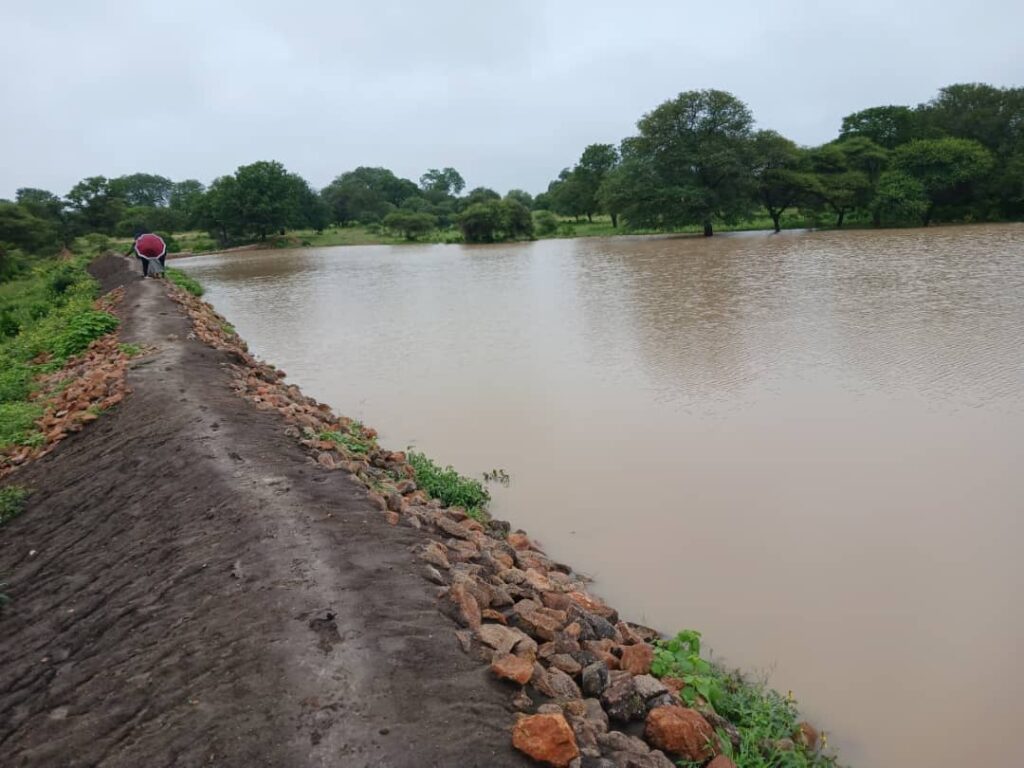
As the sun slowly sets over the rehabilitated dam, Hangaleloe Ncube looks across the water with a sense of relief she had not felt in years. Not long ago, life for her and many others in this community lived a difficult life of serious water shortage.
But today, she is confident to tell a different story of how women’s commitment is transforming Ward 11.
“We celebrate the power of women empowerment and determination to lead the community in improving water accessibility.”
Out of 65 community members participating in the restoration process, 52 are women. They move up and down with wheelbarrows and shovels carrying positivity.
“All these women carried the pain of many years of struggle, but today, their hands and minds are changing the story. Ukuzimisela okubathwale kuwo wonke umsebenzi kutsho ulutho eminyakeni abayiqede bethwele nzima, ubesithi umama nxa ecabanga ngamanzi atshaywe likhanda kakhulu“. Hangaleloe Ncube
Women taking a lead
In the midst of all the struggle, under the leadership of chairperson Sethile Moyo, the rehabilitation journey, supported by BIC-CDS becomes a sign that working together lead to community development.
“The project is a proof that women are capable of leading change within their communities.
Sethile Moyo
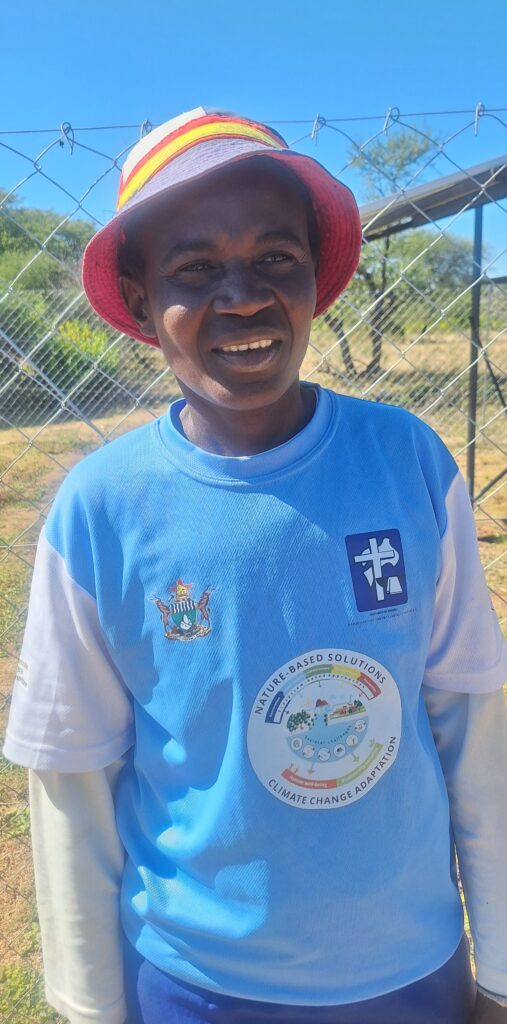
As the community looks ahead, Frank testifies that women’s great participation has inspired the whole community.
“Seeing women leading this innovation gives us hope.”
Why women stood up
Like many women in the village, Hangaleloe carried the pain of a daily search for water for domestic use and livestock, the struggle turn simple tasks into long and draining routines.
“It was a very difficult time for us,” she said softly, pausing before trying to put the experience into words.
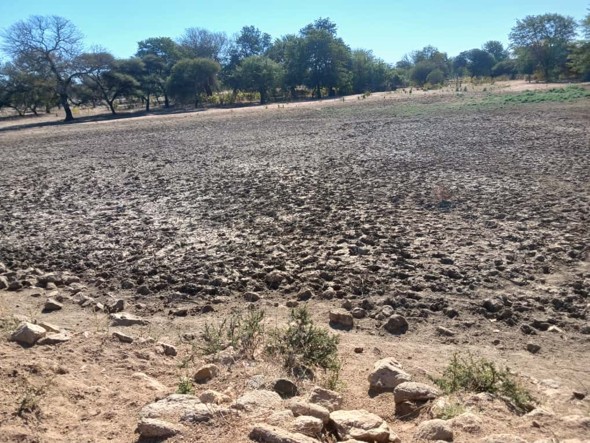
“Water was a serious struggle, we would wake up before sunrise and walk about 5 kilometres in search of it. We had to pump for more than 37 times from the borehole, a situation which inevitably excluded elderly women.”
Hangaleloe Ncube
Her household hygiene is also affected.
“We could no longer do laundry daily because we had to save every drop.
The emotional pain extends into the relationship with her grandchildren.
“My grandchildren would come from school and not find me at home since I would be at the water point. When I returned, I would be tired, frustrated and worried about all the other responsibilities awaiting my less remaining energy. I could not even manage to assist them with homework and their performance was compromised, but today I am confident of the positive change.”
Water struggle continue to disrupt women activities.
“Instead of focusing on income-generating activities, we had to spend hours in search of water”
“People were continuously stressed, frustrated, and exhausted. We had less time for women cooperatives and could no longer regularly participate in community activities,” Sizakele Moyo.
Frank Moyo, the senior village head reflects on how the shortage slowly changed the way people related with one another.
“Before the severity of the crisis, people used to help each other more freely. But as the shortages worsened, everyone became protective, small misunderstandings turned into conflicts. However, a lot has changed positively.”
BIC-CDS intervention
As the struggle continues, Brethren In Christ-Compassionate Development Services (BIC-CDS), under the Locally Led Indigenous Nature-Based Solutions for Climate Change Adaptation in Zimbabwe (LINCZ) initiative, intervenes.
Programmes Manager Mr Ndabenhle Ncube explains the growing concern from community leadership and local residents which provoked the organisation to intervene.
“Through their local leadership, the community raised concerns over the worsening water situation.”
He says the rehabilitation process involves several key activities aimed at restoring and protecting the water source for long-term use.
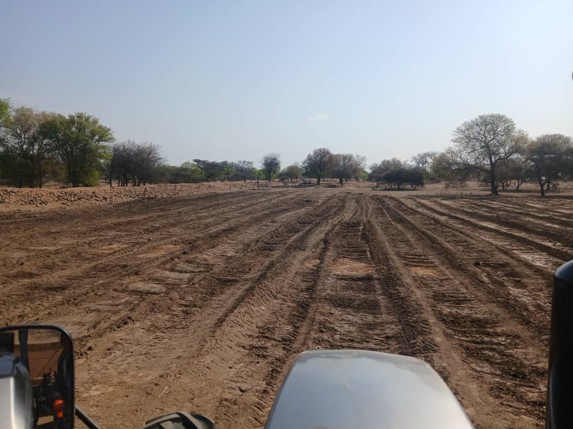
“The intervention includes silt removal and dam scooping to improve water holding capacity, rebuilding of the dam wall, construction of the spillway, stone pitching, and the installation of gabion baskets around the catchment area to reduce further erosion.”
Hope returns
Today, the rehabilitated dam has become more than just a source of water to the community.
“For many villagers, it represents a fresh start after years of struggle, long queues and the daily stress of not knowing where the next bucket of water would come from.”
The project brings long-term relief to households and livestock owners.